Ever looked up at the sky and felt inspired to sketch those fluffy white shapes drifting by? Cloud drawing isn’t just child’s play—it’s a powerful creative outlet that blends observation, imagination, and technical skill. From beginners to pros, mastering cloud drawing opens doors to mindfulness, artistic growth, and even scientific illustration.
What Is Cloud Drawing and Why It Matters
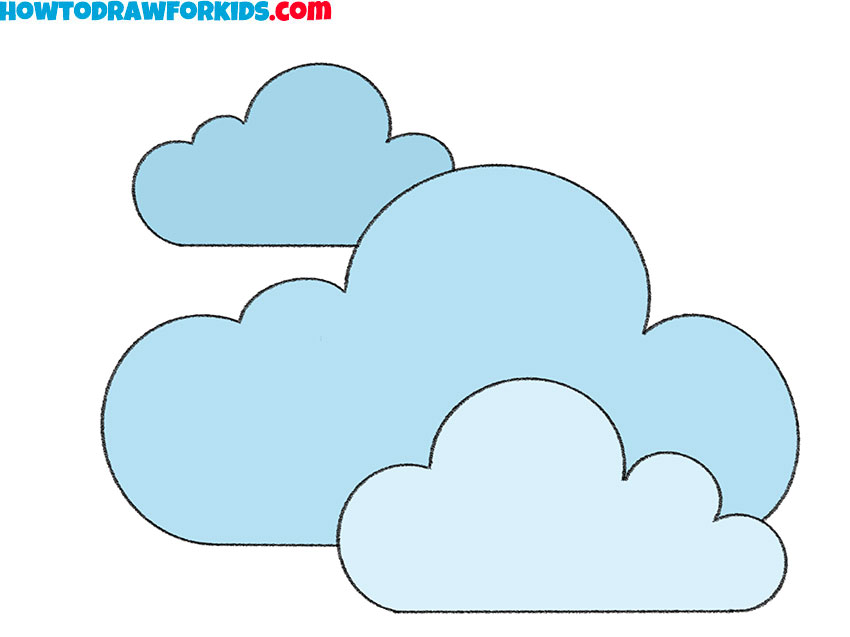
Cloud drawing is the art of capturing the ever-changing forms of clouds on paper, canvas, or digital platforms. It’s more than just sketching shapes in the sky—it’s about interpreting light, texture, movement, and atmosphere. Artists, meteorologists, and educators alike use cloud drawing to understand weather patterns, enhance observational skills, and express creativity.

The Artistic Definition of Cloud Drawing
Artistically, cloud drawing involves rendering the soft, dynamic forms of clouds using various media such as pencil, charcoal, watercolor, or digital tools. Unlike rigid architectural sketches, cloud drawing embraces impermanence and fluidity. The goal isn’t perfection but capturing the essence of a fleeting moment.
- Focuses on form, volume, and light rather than precise outlines
- Encourages loose, expressive strokes to mimic natural movement
- Often part of plein air (outdoor) sketching traditions
Scientific and Educational Applications
Cloud drawing isn’t limited to art studios. Scientists and educators use it to teach meteorology and atmospheric science. Students who draw clouds are more likely to remember cloud types and weather patterns because visual engagement strengthens memory retention.
According to the National Weather Service, cloud observation is a foundational skill in weather prediction. Drawing enhances this by forcing the observer to slow down and notice subtle details like texture, color gradients, and layering.
“Drawing clouds trains the eye to see what most people overlook—nuances in shape, shadow, and motion that reveal the story of the sky.” — Dr. Elena Torres, Atmospheric Visualizer
The Science Behind Clouds: A Foundation for Cloud Drawing
To draw clouds convincingly, you must first understand what they are and how they form. Cloud drawing becomes more accurate and expressive when grounded in meteorological knowledge. This section breaks down cloud classification and formation to empower your artistic process.
How Clouds Form: The Basics
Clouds form when warm, moist air rises and cools, causing water vapor to condense into tiny droplets or ice crystals around microscopic particles in the atmosphere. This process, called adiabatic cooling, creates visible masses we recognize as clouds.
- Rising air can be caused by convection, frontal systems, or orographic lift (air rising over mountains)
- The altitude and temperature determine whether clouds are made of water droplets or ice
- Wind shear and humidity influence cloud shape and lifespan
Main Cloud Types and Their Visual Characteristics
The World Meteorological Organization classifies clouds into ten basic genera, grouped by altitude and shape. Knowing these types is essential for realistic cloud drawing.
- Cumulus: Puffy, cotton-like clouds with flat bases; often seen on fair-weather days
- Stratus: Layered, gray sheets that cover the sky like a blanket
- Cirrus: Thin, wispy high-altitude clouds made of ice crystals
- Nimbus: Rain-bearing clouds, often thick and dark (e.g., nimbostratus, cumulonimbus)
For visual reference, the UK Met Office provides detailed illustrations and photographs that artists can use as references for cloud drawing.
Essential Tools and Materials for Cloud Drawing
Whether you’re working outdoors or from reference photos, having the right tools elevates your cloud drawing experience. The medium you choose affects texture, contrast, and realism. Let’s explore the most effective materials for capturing the ethereal nature of clouds.
Traditional Media for Cloud Drawing
Many artists prefer traditional tools for their tactile feedback and organic results. Each medium offers unique advantages for rendering cloud forms.
- Pencil and Charcoal: Ideal for tonal gradations; great for sketching cloud volume and shadow
- Watercolor: Perfect for soft edges and atmospheric effects; mimics the transparency of high clouds
- Colored Pencils: Allow for subtle color shifts, especially useful for sunrise/sunset cloud drawing
- Blending Stumps and Tortillons: Help smooth gradients in pencil or charcoal work
Digital Tools for Modern Cloud Drawing
Digital platforms offer unmatched flexibility for cloud drawing, especially when capturing dynamic lighting or experimenting with styles.
- Tablets and Styluses: Devices like iPad with Apple Pencil or Wacom tablets provide pressure sensitivity for realistic strokes
- Software Options: Procreate, Adobe Photoshop, and Corel Painter offer brushes that simulate soft airbrushing, perfect for cloud textures
- Layering Features: Allow artists to separate sky, clouds, and background for non-destructive editing
For digital artists, Procreate has become a go-to app for cloud drawing due to its intuitive interface and cloud-specific brush packs.
Step-by-Step Guide to Cloud Drawing for Beginners
Starting your cloud drawing journey doesn’t require advanced skills—just observation and practice. This step-by-step guide walks you through the fundamentals, helping you translate what you see in the sky onto your canvas.
Step 1: Observe and Identify Cloud Types
Before drawing, spend 5–10 minutes studying the sky. Identify the cloud type (cumulus, stratus, etc.) and note its texture, height, and lighting. Ask yourself:
- Is the cloud fluffy or smooth?
- Where is the light source? (Usually the sun)
- Are there shadows beneath or within the cloud?
- How does it interact with other clouds or the horizon?
This observational phase is crucial—cloud drawing is as much about seeing as it is about drawing.
Step 2: Sketch the Basic Shape and Volume
Using a light pencil or digital sketch layer, outline the general mass of the cloud. Avoid hard outlines; instead, use broken lines to suggest soft edges. Focus on the three-dimensional form—clouds have depth, not just width.
- Start with a loose oval or blob for cumulus clouds
- Use horizontal bands for stratus layers
- Draw wispy curves for cirrus
Step 3: Add Light, Shadow, and Texture
This is where your cloud comes to life. Determine the light direction and shade accordingly:
- The top and side facing the sun are brightest
- Undersides and crevices are darker
- Use soft blending for gradients; avoid harsh lines
For texture, vary your stroke technique:
- Dotting or stippling for granular cumulus tops
- Feathering strokes for wispy cirrus
- Horizontal smudging for layered stratus
Advanced Cloud Drawing Techniques for Realism
Once you’ve mastered the basics, it’s time to level up. Advanced cloud drawing techniques focus on atmospheric perspective, dynamic lighting, and emotional tone. These methods transform simple sketches into compelling skyscapes.
Mastering Atmospheric Perspective
Atmospheric perspective refers to how objects appear less distinct and bluer as they recede into the distance. Applied to cloud drawing, this means:
- Distant clouds are lighter, softer, and less detailed
- Foreground clouds have sharper contrasts and defined edges
- Use cooler tones (light blue or gray) for faraway clouds
This technique adds depth and realism, making your cloud drawing feel expansive.
Capturing Light and Weather Conditions
The mood of your cloud drawing depends heavily on lighting. Study how different conditions affect cloud appearance:
- Golden Hour: Warm hues (orange, pink) on cloud edges; long shadows
- Stormy Skies: High contrast, dark underbellies, dramatic silhouettes
- Overcast Days: Low contrast, muted grays, uniform lighting
- Night Skies: Subtle moonlight reflections, deep blues and purples
Photographers like Atmospheric Optics provide stunning reference images that artists can study for accurate cloud lighting scenarios.
Using Negative Space in Cloud Drawing
One of the most powerful yet underused techniques in cloud drawing is negative space—the sky around the cloud. Instead of drawing the cloud itself, try erasing or lightening the surrounding area to reveal the form.
- In watercolor, lift paint with a damp brush to create cloud shapes
- In digital art, use an eraser with soft edges on a dark background
- In charcoal, use a kneaded eraser to pull out highlights
“The sky isn’t empty—it’s the canvas. Clouds are the absence of sky, not the other way around.” — Renowned landscape artist Mia Chen
Cloud Drawing in Different Art Styles
Cloud drawing isn’t confined to realism. Artists across genres use clouds to convey emotion, symbolism, and abstraction. Exploring different styles expands your creative vocabulary and deepens your understanding of form.
Realism and Hyperrealism
In realistic cloud drawing, the goal is to replicate what the eye sees with photographic accuracy. This requires attention to detail, precise shading, and reference photos.
- Use high-resolution sky photos as references
- Layer multiple tones to mimic atmospheric depth
- Study real cloud photos from sources like NASA Earth Observatory
Impressionism and Expressionism
Impressionist cloud drawing focuses on light and color over detail. Think Monet’s water lilies—soft, blurred edges and vibrant hues. Expressionism takes it further, distorting clouds to reflect inner emotion.
- Use loose, visible brushstrokes
- Emphasize color temperature (warm vs. cool)
- Let emotion guide shape and intensity
Minimalism and Abstract Cloud Drawing
Minimalist cloud drawing strips away detail to focus on essence. A single curved line might suggest a cumulus cloud. Abstract versions use clouds as metaphors—freedom, thought, transience.
- Limited color palette (often monochrome or two-tone)
- Geometric simplification of organic forms
- Focus on balance and composition
The Therapeutic and Educational Benefits of Cloud Drawing
Beyond aesthetics, cloud drawing offers profound psychological and educational benefits. It’s a meditative practice that fosters mindfulness, patience, and connection with nature.
Mindfulness and Mental Wellbeing
Cloud drawing is a form of active meditation. The act of observing and rendering clouds slows down thought, reduces anxiety, and enhances present-moment awareness.
- Encourages deep breathing and focused attention
- Reduces screen time and digital overload
- Provides a non-judgmental creative outlet
Studies in art therapy show that nature-based drawing activities significantly lower cortisol levels, the stress hormone.
Teaching Tool in Schools and Workshops
Educators use cloud drawing to teach science, art, and environmental awareness. It’s a cross-disciplinary activity that engages visual, kinesthetic, and cognitive learning styles.
- Elementary schools use it to teach weather units
- Art programs incorporate it into observational drawing curricula
- Environmental groups use it to promote sky awareness and light pollution education
The GLOBE Program, an international science education initiative, includes cloud observation and drawing as part of its student activities.
Inspiring Cloud Drawing Projects and Challenges
Staying motivated in any art form requires goals and community. Cloud drawing projects and challenges provide structure, inspiration, and opportunities to share your work.
30-Day Cloud Drawing Challenge
A popular way to build skill and consistency is the 30-day challenge. Each day, draw one cloud from life or photo reference. Track your progress and notice improvements in observation and technique.
- Day 1: Simple cumulus
- Day 7: Sunset-lit clouds
- Day 14: Storm clouds
- Day 30: Full skyscape with multiple cloud types
Join Online Communities and Share Your Work
Platforms like Instagram, Reddit (r/Art, r/Weather), and DeviantArt host vibrant communities of cloud artists. Sharing your cloud drawing invites feedback, inspiration, and collaboration.
- Use hashtags like #CloudDrawing, #SkyArt, #WeatherArt
- Participate in weekly themes (e.g., “Cirrus Sunday”)
- Engage with meteorology and art fusion groups
Create a Cloud Journal or Sketchbook
Keep a dedicated sketchbook for your cloud drawing journey. Note the date, time, location, and weather conditions. Over time, this becomes a personal archive of skies and a valuable reference tool.
- Include short observations: “Fast-moving cumulus, wind from NW”
- Add color swatches for sky tones
- Sketch cloud formations before they change
What is the best medium for cloud drawing?
The best medium depends on your style and goals. For beginners, a soft graphite pencil or charcoal is ideal for learning tonal values. Watercolor excels at capturing softness and light, while digital tools like Procreate offer flexibility and undo options. Experiment to find what suits your touch.
How do I make my cloud drawings look more realistic?
Focus on light and shadow. Identify the light source and shade accordingly—tops are light, undersides are dark. Avoid hard edges; blend softly. Study real clouds and use reference photos. Practice atmospheric perspective by making distant clouds lighter and less detailed.
Can cloud drawing help me learn about weather?
Absolutely. Cloud drawing enhances observational skills critical to meteorology. By sketching clouds, you learn to identify types, understand their formation, and predict weather changes. Many weather enthusiasts and students use cloud drawing as a learning tool.
Do I need to draw clouds from real life?
While drawing from real life (plein air) offers the best observational training, you can also use high-quality photos. However, real-time observation trains your eye to see subtle changes in shape, light, and movement that photos may miss.
How long does it take to get good at cloud drawing?
Like any skill, it depends on practice. With consistent daily or weekly drawing, most people see noticeable improvement within 4–6 weeks. Mastery comes with time, patience, and continuous learning.
Cloud drawing is more than a hobby—it’s a bridge between art and science, mindfulness and creativity. Whether you’re sketching a simple cumulus on a lunch break or painting a stormy skyscape, each stroke connects you to the ever-changing sky. By understanding cloud types, mastering light and texture, and exploring different styles, you transform fleeting moments into lasting art. The tools and techniques are accessible to all, and the benefits extend far beyond the page. So grab your sketchbook, look up, and start your cloud drawing journey today. The sky isn’t the limit—it’s your canvas.
Further Reading:
