Imagine reading your favorite novel anytime, anywhere—without worrying about storage or device compatibility. That’s the magic of a cloud Kindle reader. Seamlessly blending Amazon’s vast ecosystem with cloud technology, it redefines digital reading for modern book lovers.
What Is a Cloud Kindle Reader?

The term cloud Kindle reader refers to Amazon’s integration of cloud computing with its Kindle e-reading platform. It allows users to access their entire library from any device, at any time, as long as they’re connected to the internet. This isn’t just about storing books online—it’s about creating a fluid, uninterrupted reading experience across smartphones, tablets, e-readers, and web browsers.




How Cloud Technology Powers Kindle
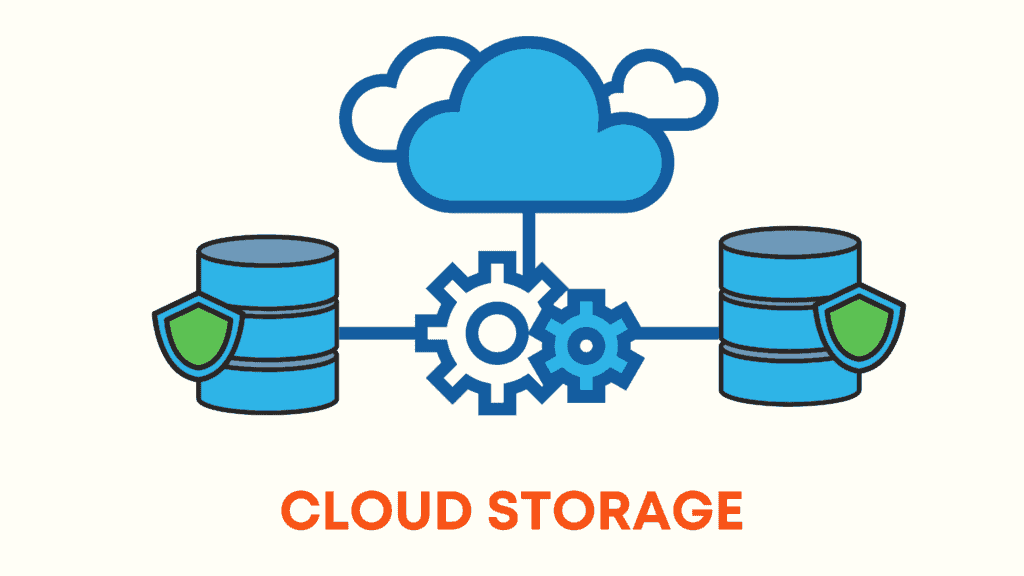
Amazon leverages its robust AWS (Amazon Web Services) infrastructure to host millions of Kindle books in the cloud. When you purchase or download a book from the Kindle Store, it’s automatically synced to your Amazon account. This means your books aren’t tied to a single device—they live in the cloud and can be accessed from any authorized device.
- Books are stored on Amazon’s secure servers.
- Synchronization happens in real time across devices.
- Offline reading is still possible after downloading from the cloud.
This architecture eliminates the fear of losing your library due to device failure. Even if you lose your Kindle, your books remain safe in the cloud, ready to be re-downloaded.
Differences Between Local and Cloud-Based Reading
Traditional e-readers store books directly on internal memory or SD cards. While this works well for offline use, it limits accessibility. A cloud Kindle reader, on the other hand, prioritizes accessibility over local storage.
“The cloud is not just a place; it’s a promise of continuity.” — Tech Analyst, Sarah Lin
With local storage, switching devices means manually transferring files or re-downloading content. But with cloud integration, your bookmarks, notes, highlights, and reading progress sync instantly. This makes the cloud Kindle reader ideal for people who switch between a Kindle Paperwhite at home and a Kindle app on their phone during commutes.
Top 7 Features of a Cloud Kindle Reader
The power of the cloud Kindle reader lies in its feature set—designed to enhance convenience, accessibility, and personalization. Let’s explore the seven most impactful features that set it apart from traditional e-reading systems.
1. Instant Access Across Devices
One of the standout advantages of the cloud Kindle reader is its cross-device compatibility. Whether you’re using a Kindle e-reader, iPad, Android phone, or PC via Kindle Cloud Reader, your library follows you.
- Open a book on your Kindle Oasis and continue reading on your laptop.
- Start reading on the subway using your phone, then switch to your tablet at home.
- No manual syncing required—everything updates automatically.
This feature is powered by Amazon’s Whispersync technology, which ensures that your last page read, bookmarks, and annotations are preserved across platforms. You can learn more about Whispersync on Amazon’s official support page.
2. Unlimited Library Storage
Physical devices have limited storage—usually between 8GB and 32GB. But the cloud Kindle reader effectively removes this barrier. Amazon doesn’t impose a hard limit on how many books you can store in your cloud library.
While there are some restrictions (e.g., you can’t upload more than 100 personal documents for free), purchased books, Kindle Unlimited titles, and library loans are all stored indefinitely in the cloud. This means you can build a digital library of thousands of books without ever worrying about running out of space.
“I have over 2,000 books in my Kindle cloud library—and I’ve never hit a storage cap.” — Longtime Kindle User, Mark T.
This is especially valuable for avid readers, researchers, and students who need access to large collections.
3. Real-Time Syncing of Reading Progress
Have you ever forgotten where you left off in a book? With the cloud Kindle reader, that’s a thing of the past. Thanks to real-time syncing, your reading position updates the moment you close the app or turn off your device.
This feature works even when offline. Once your device reconnects to the internet, it automatically syncs the latest progress with the cloud. So if you read 15 pages on a flight without Wi-Fi, those changes will upload as soon as you land.
- Syncs page number, reading time, and estimated finish date.
- Works with audiobooks when paired with Audible.
- Supports multiple books being read simultaneously.
This seamless transition between devices enhances the continuity of your reading journey.
4. Cloud-Only Reading via Kindle Cloud Reader
Not everyone owns a Kindle device—and that’s okay. Amazon offers a web-based version called Kindle Cloud Reader, accessible through any modern browser at read.amazon.com. This is the purest form of a cloud Kindle reader.
You don’t need to download software or apps. Just log in to your Amazon account, and your entire library appears in your browser. You can read, highlight, take notes, and even adjust font size and theme (light/dark mode).
This is perfect for:
- Using public computers or library terminals.
- Reading on work-issued laptops where app installation is restricted.
- Quick access when you’re away from your personal devices.
The Kindle Cloud Reader uses HTML5 and JavaScript to render books smoothly, ensuring a near-native experience without installation.
5. Automatic Backup of Personal Documents
Beyond purchased books, many users send personal PDFs, research papers, or manuscripts to their Kindles via email or the Send to Kindle app. The cloud Kindle reader automatically backs up these documents too.
When you send a file to your Kindle email (e.g., yourname@kindle.com), it’s stored in the cloud under “Documents” in your library. From there, you can download it to any device or access it via the cloud reader.
“I use my Kindle cloud as a second brain for academic papers.” — Graduate Student, Elena R.
Amazon allows up to 100 personal documents to be stored for free. For heavy users, Kindle Unlimited subscribers get expanded benefits, including more generous upload limits and enhanced document conversion tools.
6. Integration with Kindle Unlimited and Libraries
The cloud Kindle reader isn’t just for purchased books. It fully supports subscription services like Kindle Unlimited and library lending through OverDrive or Libby.
When you borrow a book from Kindle Unlimited, it’s added to your cloud library for the duration of the loan (usually 30 days). You can read it on any device, and it will automatically disappear from your library when the loan expires—no need to return it manually.
- Access over 4 million titles with Kindle Unlimited.
- Borrow e-books from public libraries using your library card.
- All borrowed books sync just like purchased ones.
This integration makes the cloud Kindle reader a cost-effective solution for readers who want variety without cluttering their devices.
7. Enhanced Search and Organization Tools
Managing a large digital library can be overwhelming. The cloud Kindle reader includes powerful organizational tools to help you find what you need quickly.
You can:
- Search across all your books by title, author, or keyword.
- Create custom collections (e.g., “To Read,” “Research,” “Fiction 2024”).
- Filter by format (e-book, audiobook, PDF).
- Sort by recent activity, purchase date, or author.
These tools are available both in the Kindle app and on the web-based Cloud Reader, ensuring consistent organization no matter how you access your library.
How to Set Up Your Cloud Kindle Reader
Getting started with a cloud Kindle reader is simple, but optimizing it for maximum benefit requires a few key steps. Whether you’re new to Kindle or upgrading your setup, this guide will walk you through the process.
Step 1: Create or Log In to Your Amazon Account
Your Amazon account is the backbone of the cloud Kindle reader experience. If you don’t already have one, sign up at amazon.com. Use a reliable email and strong password, as this account will store your entire digital library.
Once logged in, go to “Manage Your Content and Devices” in the Amazon settings. This dashboard lets you view all your books, devices, and cloud storage status.
Step 2: Install the Kindle App or Use Cloud Reader
To access your cloud Kindle reader, you have two main options:
- Download the Kindle app from the App Store (iOS), Google Play (Android), or Amazon’s website (Windows/Mac).
- Use Kindle Cloud Reader directly in your browser at read.amazon.com.
The app offers offline reading and push notifications, while the cloud reader requires no installation and works instantly.
Step 3: Sync Your Library
After installing the app or logging into Cloud Reader, your library should appear automatically. If not, check your internet connection and ensure you’re logged into the correct Amazon account.
To force a sync:
- On Kindle devices: Go to Settings > Sync & Check for Items.
- On apps: Pull down on the library screen to refresh.
- On Cloud Reader: Refresh the browser page.
All your books, including those previously downloaded or purchased, should now be visible in the cloud.
Best Devices for Cloud Kindle Reader Experience
While the cloud Kindle reader works on almost any device, some platforms deliver a superior experience. Let’s explore the best options for maximizing comfort, functionality, and performance.
Amazon Kindle E-Ink Devices
Amazon’s own e-readers are optimized for the cloud Kindle reader ecosystem. Models like the Kindle Paperwhite, Kindle Oasis, and Kindle Kids Edition offer:
- Glare-free e-ink displays ideal for long reading sessions.
- Instant cloud syncing with one-touch access.
- Water resistance (on higher-end models).
- Adjustable warm light for nighttime reading.
These devices automatically connect to Wi-Fi or cellular networks to sync with the cloud, making them the most seamless option for dedicated readers.
Smartphones and Tablets
The Kindle app is available on iOS and Android, turning your smartphone or tablet into a powerful cloud Kindle reader. While the screen isn’t e-ink, modern devices offer high resolution, dark mode, and excellent portability.
Advantages include:
- Always with you—no need to carry a separate e-reader.
- Easy switching between apps (e.g., reading a book while waiting in line).
- Integration with other productivity tools (notes, calendars).
For best results, enable automatic syncing and download frequently read books for offline access.
Computers and Web Browsers
If you spend most of your day at a desk, using the Kindle Cloud Reader on your computer is a smart choice. It works on Chrome, Firefox, Safari, and Edge, with full support for keyboard shortcuts and mouse navigation.
“I write academic papers and read research on the same screen using split-view with Kindle Cloud Reader.” — Professor David K.
You can also install the Kindle app for PC/Mac from Amazon’s website, which allows offline reading and better integration with file systems.
Security and Privacy in Cloud Kindle Reading
Storing your personal library in the cloud raises valid concerns about data security and privacy. How safe is your cloud Kindle reader? Let’s examine Amazon’s policies and what you can do to protect your information.
Data Encryption and Account Protection
Amazon uses industry-standard encryption (SSL/TLS) to protect data in transit between your device and its servers. Books stored in the cloud are also encrypted at rest, meaning they can’t be accessed even if someone breaches Amazon’s physical servers.
To enhance security:
- Enable two-factor authentication (2FA) on your Amazon account.
- Use a strong, unique password.
- Regularly review “Login & Security” settings.
You can manage these settings at Amazon’s Security Hub.
Privacy of Reading Habits
Amazon collects data on your reading behavior—what you read, how fast, where you highlight, and when you pause. This data is used to improve recommendations and personalize your experience.
However, some users are concerned about surveillance. While Amazon states it doesn’t sell your reading data to third parties, it may use it for internal advertising and product development.
“Your reading history is part of your digital footprint. Treat it with care.” — Digital Privacy Advocate, Lisa Chen
To limit data collection:
- Disable personalized ads in Amazon settings.
- Use incognito mode when browsing the Kindle Store.
- Avoid linking your Kindle account to social media.
Common Issues and Troubleshooting Tips
Even the most advanced cloud Kindle reader system can encounter glitches. Here are the most common problems and how to fix them quickly.
Books Not Syncing Across Devices
If your reading progress isn’t updating, first check your internet connection. Then, manually trigger a sync:
- On Kindle: Settings > Sync & Check for Items.
- On app: Pull down on library screen.
- On Cloud Reader: Refresh the page.
If the issue persists, sign out and back into your Amazon account on the affected device.
Missing Books in Cloud Library
Sometimes books disappear from your cloud library. This can happen if:
- The book was removed from Amazon’s store (rare, but possible).
- You accidentally archived it.
- There’s a syncing delay.
To recover missing books:
- Go to “Manage Your Content and Devices” on Amazon.com.
- Check the “Archived Items” tab.
- Click “Download” to restore it to your library.
If the book isn’t there, contact Amazon Customer Service—they can often restore deleted purchases.
Cloud Reader Not Loading in Browser
If Kindle Cloud Reader fails to load, try these steps:
- Clear your browser cache and cookies.
- Disable ad blockers or browser extensions.
- Try a different browser (Chrome works best).
- Ensure JavaScript is enabled.
If none work, check Amazon’s system status page for outages.
Future of Cloud Kindle Reader Technology
The cloud Kindle reader is not static—it’s evolving. As AI, machine learning, and cloud infrastructure advance, so too will Amazon’s digital reading platform.
AI-Powered Reading Assistants
Amazon is already experimenting with AI features like X-Ray, which provides character and term explanations. In the future, expect:
- AI-generated summaries of chapters.
- Smart highlighting based on reading goals (e.g., “highlight all quotes about leadership”).
- Real-time translation of foreign language passages.
These tools could make the cloud Kindle reader not just a reading device, but a learning companion.
Deeper Integration with Audible and Multimedia
With Whispersync for Voice, you can switch between reading and listening to the same book. The future may bring:
- Interactive audiobooks with embedded videos or animations.
- Synced note-taking across text and audio versions.
- AI narrators that adapt tone based on content.
This convergence of formats will make the cloud Kindle reader a multimedia hub for storytelling.
Expanded Cloud Collaboration Features
Currently, Kindle allows limited sharing of highlights. But imagine a future where:
- You can co-read a book with a friend in real time.
- Teachers annotate texts for students via cloud distribution.
- Book clubs discuss passages directly in the margin.
Such collaborative features could transform the cloud Kindle reader into a social learning platform.
What is a cloud Kindle reader?
A cloud Kindle reader refers to Amazon’s ecosystem that allows users to store, access, and sync their Kindle books and documents across devices using cloud storage. It includes the Kindle app, Kindle Cloud Reader, and Amazon’s backend servers.
Can I read Kindle books without a Kindle device?
Yes. You can use the free Kindle app on smartphones, tablets, or computers, or access your library via the web-based Kindle Cloud Reader at read.amazon.com.
Are my books safe in the Kindle cloud?
Yes. Amazon encrypts your books and personal data both in transit and at rest. As long as you secure your Amazon account with a strong password and 2FA, your library is highly protected.
Do I need an internet connection to read with a cloud Kindle reader?
Not always. You need internet to download books from the cloud, but once downloaded, you can read offline. The Kindle Cloud Reader requires an active internet connection.
How do I free up space on my device without losing books?
Simply archive books you’re not currently reading. They’ll remain in your cloud library and can be re-downloaded anytime. Archiving doesn’t delete your purchase.
The cloud Kindle reader represents a major leap in how we consume digital content. By combining the vast storage of the cloud with seamless cross-device syncing, Amazon has created a reading experience that’s flexible, secure, and future-ready. Whether you’re a casual reader or a literary enthusiast, embracing the cloud means never losing your place—literally or figuratively. As technology evolves, the line between physical books and digital experiences will blur even further, and the cloud Kindle reader will remain at the forefront of that revolution.
Further Reading:
