Imagine creating stunning, collaborative presentations from anywhere in the world—no downloads, no version chaos. That’s the magic of cloud slides. Welcome to the future of dynamic, real-time content creation.
What Are Cloud Slides and Why They’re Revolutionizing Presentations

Cloud slides refer to presentation files created, stored, and shared entirely online using cloud-based platforms like Google Slides, Microsoft PowerPoint Online, and Canva. Unlike traditional desktop-based software, cloud slides eliminate the need for local installations, enabling seamless access across devices and locations. This shift has transformed how teams collaborate, educators teach, and businesses pitch ideas globally.




Defining Cloud Slides in Modern Workflow
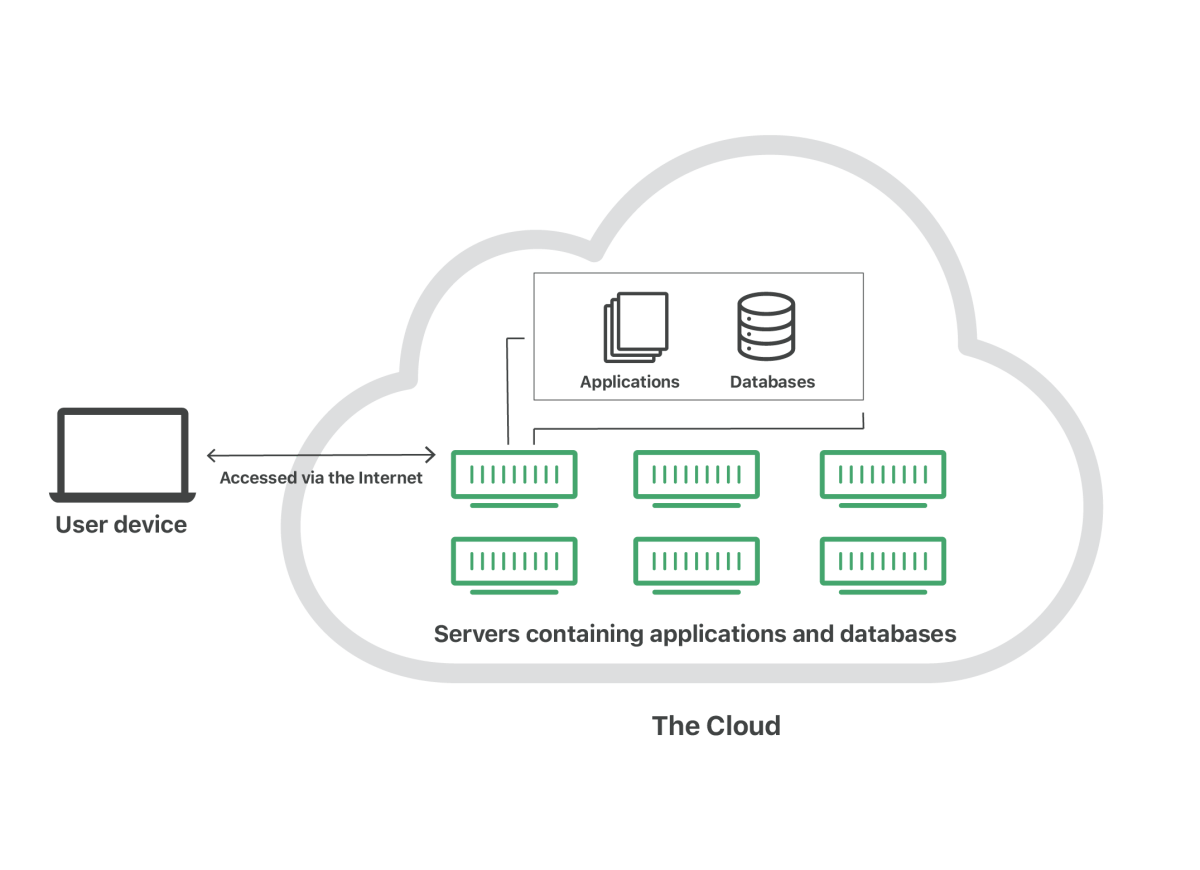
At their core, cloud slides are digital presentations hosted on remote servers, accessible via a web browser or mobile app. The term ‘cloud’ signifies that data isn’t stored on your hard drive but in secure, scalable data centers managed by service providers. This architecture allows users to open, edit, and share slide decks without worrying about file compatibility or storage limitations.
- Real-time editing from any internet-connected device
- Automatic saving and version tracking
- Integration with cloud storage (Google Drive, OneDrive, Dropbox)
Platforms like Google Slides have made this technology accessible to millions, offering free, feature-rich environments for creating professional presentations.
How Cloud Slides Differ from Traditional Presentation Software
Traditional tools like Microsoft PowerPoint require software installation and manual file sharing via email or USB drives. This often leads to version confusion and collaboration delays. In contrast, cloud slides operate on a live-editing model where multiple users can contribute simultaneously.
“The shift from desktop to cloud isn’t just about convenience—it’s about redefining collaboration.” — TechCrunch, 2023
For example, while classic PowerPoint saves files locally (.pptx), cloud slides use dynamic URLs for instant sharing and permissions-based access control. This eliminates the ‘final_final_v3_updated.pptx’ dilemma once and for all.
The Evolution of Cloud-Based Presentation Tools
The journey of cloud slides began in the mid-2000s as internet speeds improved and web applications matured. Early attempts at online office suites were clunky and unreliable. However, with advancements in HTML5, JavaScript, and cloud infrastructure, modern platforms now rival—and often surpass—their desktop counterparts.
From Desktop to Cloud: A Historical Shift
In the 1990s and early 2000s, Microsoft PowerPoint dominated the presentation landscape. Files were saved on floppy disks, then CDs, and eventually USB drives. Collaboration meant emailing attachments back and forth—an inefficient process prone to errors.
The turning point came in 2006 when Google acquired Writely, a web-based word processor, and later launched Google Docs, Sheets, and Slides. This marked the beginning of mainstream cloud productivity tools. By 2010, real-time co-editing became a reality, setting a new standard for teamwork.
- 2006: Google acquires Writely, laying foundation for Google Workspace
- 2012: Microsoft launches PowerPoint Online as part of Office 365
- 2016: Real-time collaboration becomes standard across major platforms
Today, over 3 billion people use cloud-based productivity tools worldwide, according to Statista (2023).
Milestones in Cloud Slide Technology
Several key innovations have shaped the evolution of cloud slides:
- Live Collaboration (2010s): Multiple users editing the same slide deck simultaneously, with cursor tracking and chat integration.
- AI-Powered Design (2020s): Tools like Canva and Beautiful.ai use artificial intelligence to suggest layouts, color schemes, and font pairings.
- Offline Mode (2015+): Platforms like Google Slides now allow limited offline editing, syncing changes once reconnected.
- Embeddable Widgets: Presentations can be embedded into websites, blogs, or LMS platforms like Moodle or Canvas.
These milestones reflect a broader trend toward accessibility, automation, and integration in digital workspaces.
Top Platforms Offering Cloud Slides Solutions
Several platforms dominate the cloud slides market, each offering unique features tailored to different user needs. From enterprise-grade security to intuitive design interfaces, these tools cater to students, professionals, educators, and creatives alike.
Google Slides: Simplicity Meets Collaboration
As part of Google Workspace, Google Slides is one of the most widely used cloud slide platforms. Its strength lies in its simplicity, deep integration with other Google services, and robust real-time collaboration features.
- Free for personal use with a Google account
- Seamless integration with Google Drive, Docs, and Sheets
- Commenting, suggesting, and live chat during editing
- Supports add-ons for extended functionality (e.g., Lucidchart, Unsplash)
One standout feature is the ability to present directly from a browser while allowing audience members to view slides in real time via a shared link. Learn more at Google Workspace.
Microsoft PowerPoint Online: Enterprise Powerhouse
PowerPoint Online is the cloud version of the legendary desktop application. It retains most of the core features while adding cloud-specific benefits like cross-device syncing and Teams integration.
- Part of Microsoft 365 subscription (free limited version available)
- Familiar interface for existing PowerPoint users
- Advanced animation and transition options
- Direct integration with OneDrive and SharePoint
- Co-authoring with presence indicators and change tracking
For organizations already invested in the Microsoft ecosystem, PowerPoint Online offers a smooth transition to cloud-based workflows without sacrificing functionality.
Canva Presentations: Design-First Approach
Canva has disrupted the design world with its drag-and-drop interface, and its cloud slides feature follows the same philosophy. Aimed at non-designers, Canva makes it easy to create visually stunning presentations with minimal effort.
- Thousands of professionally designed templates
- Drag-and-drop editor with intuitive controls
- Massive library of stock photos, icons, and illustrations
- Team collaboration and brand kit features (Pro version)
Canva’s AI-powered Magic Design tool analyzes your content and suggests layout options, making it ideal for users who want beautiful results fast. Explore it at Canva Presentations.
Key Features That Make Cloud Slides Superior
Cloud slides aren’t just about convenience—they offer tangible advantages over traditional presentation methods. These features enhance productivity, foster collaboration, and improve overall presentation quality.
Real-Time Collaboration and Simultaneous Editing
One of the most transformative aspects of cloud slides is the ability for multiple users to edit the same document at the same time. Each collaborator appears with a colored cursor, and changes are reflected instantly.
- Eliminates email chains and file duplication
- Enables remote teams to work together seamlessly
- Supports commenting and threaded discussions
This level of synchronization is especially valuable in fast-paced environments like marketing agencies, academic research groups, and global corporations.
Automatic Saving and Version History
Forget losing hours of work due to a crashed laptop. Cloud slides automatically save every change in real time. Most platforms also maintain a detailed version history, allowing users to revert to earlier drafts if needed.
“I once recovered a presentation from three weeks ago after accidentally deleting a critical section. The version history saved my project.” — Sarah Kim, Marketing Director
In Google Slides, this feature is called ‘Version History’ and can be accessed via File > See Version History. Similarly, PowerPoint Online offers ‘Version Options’ in OneDrive.
Accessibility and Cross-Device Syncing
Whether you’re on a Windows PC, Mac, iPad, or Android phone, cloud slides ensure your work follows you. Changes made on one device appear instantly on others, thanks to cloud syncing.
- Access presentations from any browser or mobile app
- Work offline with automatic sync upon reconnection
- Responsive design ensures readability across screen sizes
This flexibility supports hybrid work models and enables spontaneous updates during meetings or commutes.
How to Create Effective Cloud Slides: Best Practices
Creating impactful cloud slides goes beyond just putting text on a screen. It involves thoughtful design, clear messaging, and strategic use of multimedia. Follow these best practices to elevate your presentations.
Design Principles for Visual Impact
Good design enhances comprehension and engagement. Apply these principles when building your cloud slides:
- Less is more: Limit text to key points; avoid full paragraphs.
- Consistent branding: Use the same fonts, colors, and logo placement throughout.
- High-quality visuals: Use crisp images and vector graphics instead of pixelated ones.
- White space: Don’t overcrowd slides—give elements room to breathe.
Tools like Canva and Google Slides offer built-in design suggestions to help maintain visual harmony.
Optimizing Content for Clarity and Engagement
Your message should be clear, concise, and audience-focused. Structure your cloud slides to tell a story:
- Start with a strong opening slide that states the purpose
- Use bullet points to break down complex ideas
- Incorporate data visualization (charts, graphs) for statistics
- End with a call to action or summary
Avoid reading slides verbatim. Instead, use them as visual aids to support your spoken narrative.
Leveraging Multimedia and Interactive Elements
Cloud slides support more than just text and images. Enhance engagement by embedding:
- YouTube videos (directly embeddable in Google Slides)
- Audio clips for narration or sound effects
- Interactive quizzes (via add-ons like ClassPoint)
- Live polls using tools like Mentimeter or Slido
These elements make presentations more dynamic, especially in educational or training contexts.
Security and Privacy Considerations for Cloud Slides
While cloud slides offer unmatched convenience, they also raise valid concerns about data security and privacy. Understanding how your data is protected—and how to manage access—is crucial for responsible usage.
Data Encryption and Platform Security Measures
Reputable cloud slide providers implement strong security protocols:
- End-to-end encryption during data transmission (HTTPS/TLS)
- Encryption at rest for stored files
- Regular security audits and compliance with standards like GDPR, HIPAA, and SOC 2
For instance, Google encrypts all data in transit and at rest across its global infrastructure. Microsoft employs similar protections within Azure and Office 365 environments.
Managing Sharing Permissions and Access Control
One of the biggest risks with cloud slides is accidental over-sharing. Always review sharing settings before distributing a link:
- Choose between ‘Anyone with the link,’ ‘Specific people,’ or ‘Restricted’ access
- Set permissions: View, Comment, or Edit
- Revoke access at any time
- Use password protection where supported (e.g., Canva Pro)
For sensitive content, consider using internal portals or intranets rather than public links.
Best Practices for Protecting Sensitive Information
To minimize risk:
- Avoid including confidential data (SSNs, financials) in shared slides
- Use watermarks for draft versions
- Enable two-factor authentication on your cloud account
- Regularly audit shared files and remove outdated permissions
Organizations should establish clear policies around cloud slide usage, especially for regulated industries.
Integrating Cloud Slides into Workflows and Learning Environments
Cloud slides aren’t just for boardrooms—they’re powerful tools in education, project management, and team communication. Their flexibility makes them ideal for diverse applications.
Cloud Slides in Education: Empowering Teachers and Students
Educators use cloud slides to create interactive lessons, assign group projects, and provide feedback. Students benefit from collaborative learning and easy access to materials.
- Teachers share lecture slides via Google Classroom
- Students co-create presentations for group assignments
- Real-time commenting allows instant feedback
- Presentations can be translated automatically (Google Slides feature)
A study by EdTech Magazine (2022) found that 78% of teachers reported increased student engagement when using collaborative slide tools.
Business and Team Collaboration Use Cases
In corporate settings, cloud slides streamline communication and decision-making:
- Marketing teams build campaign decks together in real time
- Remote teams conduct virtual pitch meetings using shared screens
- HR departments create onboarding presentations accessible company-wide
- Project managers track progress with live-updating status reports
The ability to comment, suggest edits, and tag team members accelerates review cycles and reduces miscommunication.
Embedding Cloud Slides in Websites and Digital Platforms
Cloud slides can be embedded directly into websites, blogs, or learning management systems (LMS). This is useful for:
- Sharing public reports or portfolios
- Creating interactive tutorials
- Displaying live dashboards or event agendas
Google Slides allows embedding via iframe code, which can be customized for size and autoplay settings. This feature is widely used by nonprofits, educators, and content creators.
Future Trends Shaping the World of Cloud Slides
The evolution of cloud slides is far from over. Emerging technologies like AI, augmented reality, and voice control are poised to redefine how we create and deliver presentations.
AI and Automation in Slide Creation
Artificial intelligence is already making waves in cloud slide platforms:
- Canva’s Magic Design generates layouts based on text input
- Beautiful.ai uses AI to enforce design consistency
- Microsoft Designer (in PowerPoint) suggests visuals and rewrites content
In the near future, AI may draft entire presentations from a simple prompt, analyze audience sentiment during delivery, or optimize slide timing based on engagement metrics.
Voice-Activated Editing and Presentation Controls
With the rise of voice assistants, we’re moving toward hands-free presentation control:
- Voice commands to advance slides or highlight points
- Real-time transcription and translation during presentations
- AI narrators reading slides aloud for accessibility
Google Slides already supports voice typing, and integration with tools like Otter.ai enables automatic note-taking during slide reviews.
Immersive Experiences with AR/VR and 3D Slides
The next frontier is immersive presentations. Imagine delivering a cloud slide deck in virtual reality, where charts pop out in 3D or product demos unfold in augmented space.
- Microsoft Mesh enables 3D collaboration in mixed reality
- Platforms like Prezi offer spatial storytelling with zoomable canvases
- WebXR support may soon allow browser-based 3D presentations
While still emerging, these technologies promise to make cloud slides more engaging than ever.
What are cloud slides?
Cloud slides are digital presentations created and stored online using platforms like Google Slides, Microsoft PowerPoint Online, or Canva. They allow real-time collaboration, automatic saving, and access from any device with an internet connection.
Are cloud slides safe to use for confidential information?
Yes, when proper sharing settings are applied. Major platforms use encryption and compliance standards to protect data. However, avoid including highly sensitive information and always restrict access to authorized users only.
Can I use cloud slides offline?
Yes, both Google Slides and PowerPoint Online offer limited offline functionality. You must enable offline mode in settings and have the necessary apps installed. Changes sync automatically when you reconnect to the internet.
Which is better: Google Slides or PowerPoint Online?
It depends on your needs. Google Slides excels in collaboration and ease of use, while PowerPoint Online offers more advanced design and animation features. Both are powerful in their own right.
How do I share a cloud slide deck securely?
To share securely, avoid using ‘Anyone with the link’ for sensitive content. Instead, choose ‘Specific people’ and set permission levels (View, Comment, Edit). Revoke access when no longer needed and use password protection if available.
Cloud slides have transformed the way we create, share, and collaborate on presentations. From real-time editing and automatic saving to AI-powered design and immersive future possibilities, they represent a fundamental shift in digital communication. Whether you’re a student, educator, or business professional, embracing cloud slides means embracing efficiency, flexibility, and innovation. As technology continues to evolve, these tools will only become more intelligent, intuitive, and integral to our daily workflows. The future of presenting isn’t just online—it’s dynamic, connected, and limitless.
Further Reading:
