In today’s digital world, cloud storage has become more than just a tech buzzword—it’s a necessity. From individuals to global enterprises, everyone relies on cloud storage to keep data safe, accessible, and scalable. Let’s dive into why this technology is revolutionizing how we store and manage information.
What Is Cloud Storage and How Does It Work?

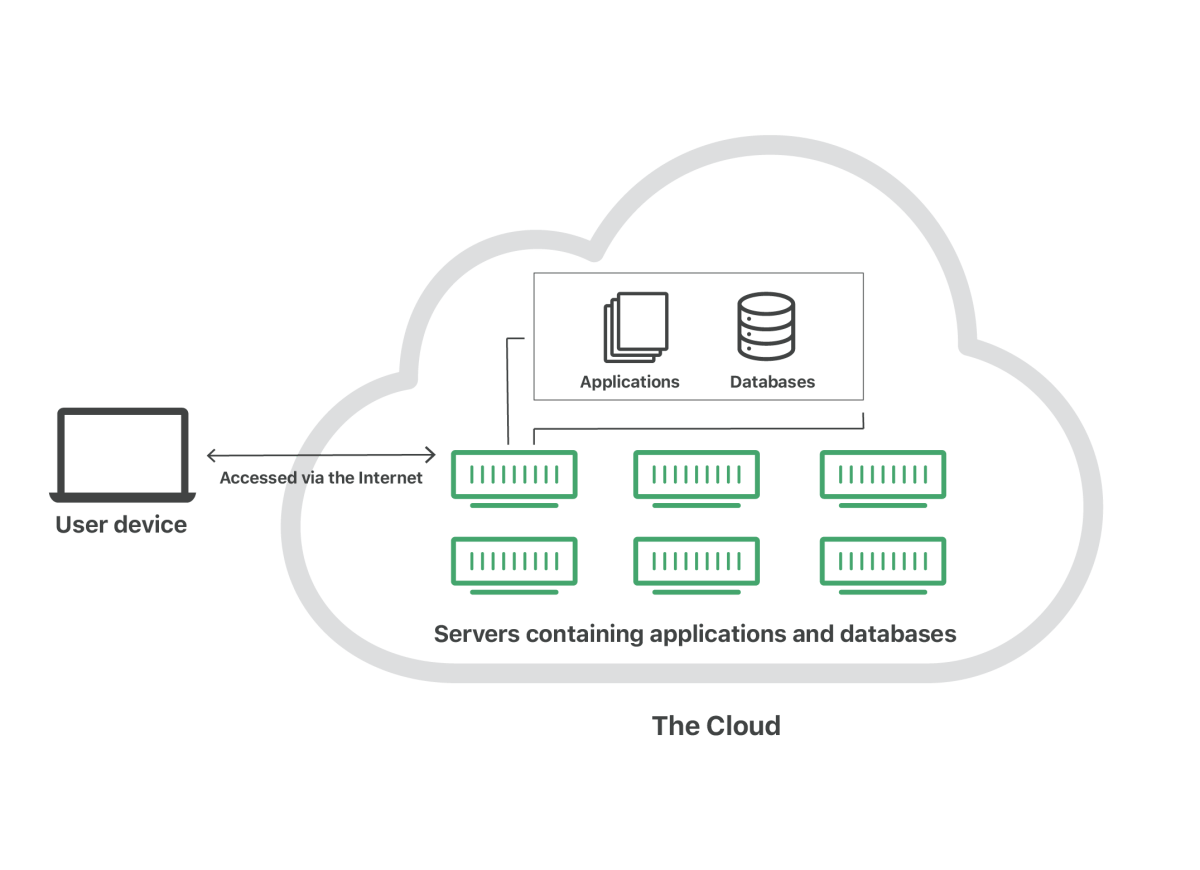
Cloud storage is a model of data storage in which digital data is stored on remote servers accessed from the internet, or ‘the cloud’. These servers are maintained, operated, and managed by a cloud storage service provider, such as Google Drive, Dropbox, or Amazon S3. Users and organizations buy or lease storage capacity from these providers to store user, organization, or application data.





Understanding the Core Mechanism
At its core, cloud storage works by transmitting a copy of your data over the internet to a data center where it is stored on physical servers. These servers are often distributed across multiple locations for redundancy and reliability. When you need to access your files, you simply log in to your account and retrieve them from anywhere with an internet connection.
- Data is encrypted during transfer and at rest to ensure security.
- Files are often duplicated across multiple servers to prevent data loss.
- Users interact with the system via web-based dashboards or mobile apps.
Types of Cloud Storage Models
There are three primary models of cloud storage: public, private, and hybrid. Each serves different needs based on security, control, and scalability requirements.
Public Cloud: Services like Google Drive and Microsoft OneDrive are hosted by third-party providers and shared across multiple users.They are cost-effective and easy to scale.Private Cloud: Dedicated infrastructure used exclusively by a single organization.It offers greater control and enhanced security, ideal for industries like finance and healthcare.Hybrid Cloud: Combines public and private clouds, allowing data and applications to be shared between them.
.This model offers flexibility and optimization of existing infrastructure.”Cloud storage isn’t just about storing files—it’s about transforming how we access, share, and protect information in real time.” — Tech Industry Analyst
Top 7 Benefits of Cloud Storage in 2024
As businesses and individuals generate more data than ever before, cloud storage has emerged as a powerful solution.Its advantages go far beyond simple file backup.Here are seven compelling reasons why cloud storage is essential in today’s digital landscape..
1. Accessibility and Remote Work Enablement
One of the most transformative benefits of cloud storage is the ability to access files from anywhere, at any time. Whether you’re working from home, traveling, or collaborating across continents, your data is just a login away.
- Employees can access work files on smartphones, tablets, or laptops.
- Real-time collaboration is possible with tools like Google Docs or Microsoft 365 integrated into cloud platforms.
- No need to carry physical drives or rely on email attachments.
2. Cost Efficiency and Scalability
Traditional storage systems require significant upfront investment in hardware, maintenance, and IT staff. Cloud storage eliminates these costs by offering a pay-as-you-go model.
- Businesses only pay for the storage they use, avoiding over-provisioning.
- Scaling up or down is seamless—no need to purchase new servers.
- Reduces the need for on-site data centers, cutting energy and cooling costs.
3. Enhanced Data Security and Encryption
Contrary to common misconceptions, reputable cloud storage providers often offer better security than on-premise solutions. They employ advanced encryption, multi-factor authentication, and regular security audits.
- Data is encrypted both in transit and at rest using AES-256 or similar standards.
- Providers implement firewalls, intrusion detection systems, and DDoS protection.
- Regular compliance with regulations like GDPR, HIPAA, and CCPA ensures data privacy.
4. Automatic Backup and Disaster Recovery
Cloud storage systems automatically back up your data, reducing the risk of permanent loss due to hardware failure, theft, or natural disasters.
- Versioning allows users to restore previous versions of files.
- Disaster recovery plans are built into most enterprise cloud solutions.
- Geographically distributed data centers ensure redundancy.
5. Seamless Collaboration and File Sharing
Cloud storage platforms are designed for teamwork. Multiple users can view, edit, and comment on documents simultaneously, streamlining workflows.
- Shared folders and permission settings control who can view or edit files.
- Integration with communication tools like Slack or Zoom enhances productivity.
- Link sharing allows external collaborators to access files without needing an account.
6. Environmentally Friendly and Sustainable
By consolidating data into centralized, energy-efficient data centers, cloud storage reduces the carbon footprint associated with decentralized IT infrastructure.
- Major providers like Google and Microsoft are committed to carbon neutrality.
- Efficient server utilization reduces energy waste.
- Less e-waste from outdated hardware.
7. Integration with AI and Automation Tools
Modern cloud storage platforms are evolving into intelligent ecosystems. They now integrate with AI-driven tools for data analysis, tagging, and automation.
- AI can automatically tag photos, transcribe audio, or extract text from documents.
- Workflow automation tools trigger actions based on file changes (e.g., sending notifications).
- Predictive analytics help organizations optimize storage usage and costs.
Major Cloud Storage Providers Compared
With so many options available, choosing the right cloud storage provider can be overwhelming. Below is a detailed comparison of the top players in the market, focusing on features, pricing, and use cases.
Google Drive
Google Drive is one of the most popular cloud storage services, especially for individuals and small businesses. It integrates seamlessly with Google Workspace (formerly G Suite), making it ideal for collaboration.
- Free tier: 15 GB shared across Gmail, Drive, and Photos.
- Paid plans start at $1.99/month for 100 GB.
- Excellent for real-time document editing and team collaboration.
Dropbox
Dropbox was one of the pioneers of cloud storage and remains a favorite for its simplicity and reliability. It excels in file syncing and cross-device accessibility.
- Free plan offers 2 GB of storage.
- Premium plans start at $9.99/month for 2 TB.
- Strong third-party app integrations (e.g., Slack, Zoom, Adobe).
Microsoft OneDrive
OneDrive is tightly integrated with Windows and Microsoft 365, making it a natural choice for businesses already using Microsoft products.
- Free tier: 5 GB.
- Microsoft 365 Personal offers 1 TB for $6.99/month.
- Advanced security features like Personal Vault and ransomware detection.
Amazon S3
Amazon Simple Storage Service (S3) is a scalable object storage service designed for developers and enterprises. It’s highly reliable and supports a wide range of use cases, from backup to big data analytics.
- Pay-per-use pricing with no upfront costs.
- Offers 11 9’s of durability (99.999999999%) for data.
- Supports advanced features like lifecycle policies and cross-region replication.
Apple iCloud
iCloud is Apple’s ecosystem-centric cloud storage solution. It’s best suited for users deeply embedded in the Apple universe—iPhone, iPad, Mac, and Apple Watch.
- Free tier: 5 GB.
- Paid plans: 50 GB for $0.99/month, 200 GB for $2.99/month.
- Automatic photo syncing, device backups, and Find My integration.
“Choosing the right cloud storage provider isn’t just about space—it’s about ecosystem fit, security, and long-term scalability.” — IT Infrastructure Expert
Security Concerns and How to Mitigate Them
While cloud storage offers numerous benefits, it’s not without risks. Data breaches, unauthorized access, and compliance issues are legitimate concerns. However, with proper strategies, these risks can be significantly reduced.
Common Security Threats in Cloud Storage
Understanding the potential threats is the first step toward securing your data in the cloud.
- Data Breaches: Unauthorized access to sensitive information due to weak passwords or misconfigured settings.
- Insider Threats: Employees or contractors with access who misuse data.
- Account Hijacking: Phishing attacks that compromise user credentials.
- Compliance Violations: Storing data in regions that don’t comply with local regulations.
Best Practices for Securing Cloud Storage
Implementing strong security measures can protect your data and maintain trust with clients and stakeholders.
- Enable multi-factor authentication (MFA) for all user accounts.
- Use strong, unique passwords and consider a password manager.
- Regularly audit access logs and permissions.
- Encrypt sensitive files before uploading (client-side encryption).
- Train employees on phishing awareness and data handling policies.
Compliance and Regulatory Standards
Depending on your industry, you may be subject to specific data protection regulations. Cloud storage providers often offer compliance certifications to help meet these requirements.
- GDPR (General Data Protection Regulation): Applies to organizations handling EU citizens’ data.
- HIPAA (Health Insurance Portability and Accountability Act): Required for healthcare data in the U.S.
- CCPA (California Consumer Privacy Act): Protects California residents’ personal information.
- SOC 2: A framework for managing data security, availability, and confidentiality.
Cloud Storage for Businesses: Use Cases and Strategies
For businesses, cloud storage is more than just a backup solution—it’s a strategic asset. From startups to multinational corporations, organizations are leveraging cloud storage to improve efficiency, reduce costs, and drive innovation.
Backup and Disaster Recovery (BDR)
One of the most critical use cases for cloud storage in business is ensuring data continuity. Natural disasters, cyberattacks, or hardware failures can cripple operations if data isn’t properly backed up.
- Automated nightly backups reduce human error.
- Disaster recovery plans can be tested regularly without downtime.
- Geographic redundancy ensures data is safe even if one data center fails.
Remote Work and Digital Transformation
The rise of remote work has made cloud storage indispensable. Companies can maintain productivity regardless of employee location.
- Employees access files securely from home or while traveling.
- IT departments can manage devices and permissions remotely.
- Reduces dependency on physical office infrastructure.
Data Analytics and Business Intelligence
Cloud storage platforms are increasingly being used as data lakes—central repositories for structured and unstructured data. This enables advanced analytics and machine learning.
- Store logs, customer data, and transaction records in one place.
- Integrate with tools like AWS Redshift or Google BigQuery for analysis.
- Gain real-time insights to inform business decisions.
Cloud Storage vs. Traditional Storage: A Detailed Comparison
While cloud storage has gained widespread adoption, some organizations still rely on traditional storage methods like external hard drives, NAS (Network Attached Storage), or on-premise servers. Let’s compare the two approaches across key dimensions.
Cost and Maintenance
Traditional storage requires significant capital expenditure (CapEx) for hardware, software, and maintenance. Cloud storage, on the other hand, operates on an operational expenditure (OpEx) model.
- On-premise: High upfront costs, ongoing maintenance, and upgrade expenses.
- Cloud: Predictable monthly fees, no hardware management, automatic updates.
Scalability and Flexibility
Scaling traditional storage often means purchasing new hardware, which can take weeks. Cloud storage allows instant scaling with just a few clicks.
- On-premise: Limited by physical space and budget.
- Cloud: Virtually unlimited scalability based on demand.
Security and Control
Some organizations prefer on-premise storage for greater control over their data. However, cloud providers often have more robust security measures than most companies can afford.
- On-premise: Full control but requires in-house expertise.
- Cloud: Shared responsibility model—provider secures infrastructure, user secures access.
Future Trends in Cloud Storage Technology
The cloud storage landscape is evolving rapidly. Emerging technologies and changing user demands are shaping the future of how we store and manage data.
Edge Computing and Decentralized Storage
As IoT devices generate massive amounts of data, edge computing is gaining traction. Instead of sending all data to a central cloud, processing happens closer to the source—reducing latency and bandwidth usage.
- Decentralized storage networks like IPFS and Filecoin offer peer-to-peer alternatives to traditional cloud providers.
- Improved performance for real-time applications like autonomous vehicles and smart cities.
AI-Powered Data Management
Artificial intelligence is being used to optimize storage, predict usage patterns, and automate data classification.
- AI can identify and archive inactive data to reduce costs.
- Smart tagging improves searchability and compliance.
- Predictive analytics help forecast storage needs.
Quantum Computing and Encryption
While still in early stages, quantum computing poses a potential threat to current encryption methods. Cloud providers are already researching quantum-resistant algorithms to future-proof data security.
- Post-quantum cryptography is being tested by NIST and major tech firms.
- Future cloud storage systems may use quantum key distribution for ultra-secure communication.
How to Choose the Right Cloud Storage Solution
Selecting the best cloud storage provider depends on your specific needs, budget, and technical requirements. Here’s a step-by-step guide to help you make an informed decision.
Assess Your Storage Needs
Start by evaluating how much data you need to store, how frequently it’s accessed, and whether it’s structured or unstructured.
- Individuals may only need a few hundred GB for photos and documents.
- Enterprises may require petabytes of storage for databases and media files.
- Consider growth projections over the next 3–5 years.
Evaluate Security and Compliance Requirements
If you handle sensitive data (e.g., financial, health, or personal information), ensure the provider meets relevant compliance standards.
- Check for certifications like ISO 27001, SOC 2, GDPR, or HIPAA.
- Review the provider’s data encryption policies and breach notification procedures.
- Understand where your data is physically stored (data sovereignty).
Compare Pricing and Features
Don’t just look at storage capacity—consider features like collaboration tools, file versioning, and integration with other software.
- Compare per-GB costs across providers.
- Look for hidden fees (e.g., data egress charges).
- Test free trials before committing.
What is cloud storage?
Cloud storage is a service that allows users to store data on remote servers accessed via the internet. It enables data backup, file sharing, and access from any device with connectivity.
Is cloud storage safe?
Yes, reputable cloud storage providers use advanced encryption, multi-factor authentication, and compliance certifications to protect data. However, users must also follow best practices like using strong passwords and enabling MFA.
How much does cloud storage cost?
Costs vary by provider and plan. Free tiers typically offer 5–15 GB. Paid plans range from $0.99/month for 50 GB (iCloud) to $9.99/month for 2 TB (Dropbox). Enterprise solutions are priced based on usage.
Can I access cloud storage without internet?
Most cloud storage requires an internet connection for full access. However, some services allow offline access by syncing files to your device in advance.
What happens if a cloud provider goes out of business?
Reputable providers have data portability options and give users ample notice. Always maintain backups and avoid vendor lock-in by using open formats and export tools.
Cloud storage has evolved from a convenient tool to a foundational element of modern digital life. Whether you’re an individual looking to back up photos or a multinational corporation managing petabytes of data, the benefits of cloud storage—accessibility, cost efficiency, security, and scalability—are undeniable. As technology advances, we can expect even smarter, faster, and more secure cloud solutions. The key is to choose the right provider, implement strong security practices, and stay informed about emerging trends. In a world where data is king, cloud storage is the crown jewel.
Further Reading:
