Ever wondered how websites stay fast, secure, and online no matter the traffic? Meet Cloudflare — the powerhouse behind millions of sites, silently boosting performance and blocking threats. Let’s dive into why it’s a game-changer.
What Is Cloudflare and Why It Matters

Cloudflare is more than just a content delivery network (CDN); it’s a comprehensive web performance and security platform. Founded in 2009 by Matthew Prince, Lee Holloway, and Michelle Zatlyn, Cloudflare began as a simple solution to speed up websites but has since evolved into a global infrastructure giant. Today, it powers over 20% of all websites on the internet, making it one of the most influential tech companies you might not have heard of — until now.




The Origins of Cloudflare
Cloudflare started as a project during a startup incubator program called Y Combinator. The founders aimed to solve a common problem: slow-loading websites due to inefficient data routing. Their breakthrough idea was to create a reverse proxy service that sits between a website’s visitor and its hosting server, optimizing traffic in real time.
- Launched publicly in September 2010
- First major investor: Fred Wilson of Union Square Ventures
- Initial focus: improving page load times through smart caching
What set Cloudflare apart early on was its freemium model — offering robust features for free while charging for advanced tools. This strategy helped it grow rapidly, attracting small bloggers and large enterprises alike.
How Cloudflare Works: The Technical Backbone
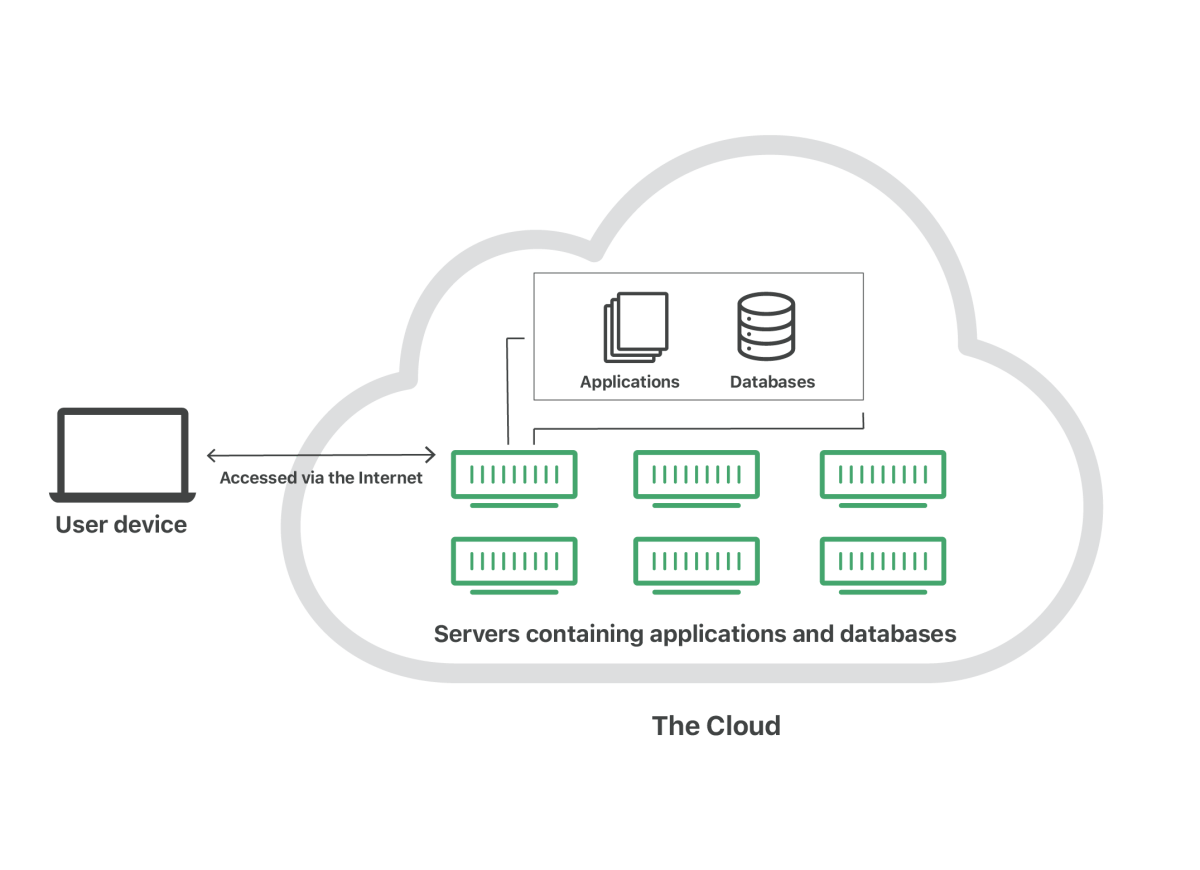
At its core, Cloudflare acts as a global proxy. When a user visits a Cloudflare-protected site, their request doesn’t go directly to the origin server. Instead, it’s routed through Cloudflare’s vast network of data centers — known as Points of Presence (PoPs) — located in over 275 cities worldwide.
- Traffic is filtered and optimized at the nearest PoP
- Static assets are cached globally for faster delivery
- Malicious requests are blocked before reaching the origin
“Cloudflare’s network processes more internet requests than Google, Amazon, and Microsoft combined.” — Matthew Prince, Co-Founder & CEO
This architecture not only accelerates content delivery but also shields websites from common threats like DDoS attacks and bot intrusions.
Cloudflare’s Core Services: Speed, Security, and Reliability
Cloudflare isn’t a one-trick pony. Its ecosystem spans performance optimization, cybersecurity, developer tools, and even internet-wide initiatives. Let’s break down its key offerings.
Content Delivery Network (CDN)
The CDN is Cloudflare’s flagship service. By caching static content (like images, CSS, and JavaScript) across its global network, Cloudflare ensures users receive data from the closest possible location. This reduces latency and improves load times significantly.
- Automatic caching with customizable rules
- Support for dynamic content acceleration via Argo Smart Routing
- HTTP/2 and HTTP/3 (QUIC) support for faster connections
For example, a visitor in Tokyo accessing a website hosted in New York will get the content from Cloudflare’s Tokyo PoP, cutting down round-trip time dramatically.
DDoS Protection and Web Application Firewall (WAF)
Distributed Denial of Service (DDoS) attacks can cripple websites by overwhelming them with fake traffic. Cloudflare mitigates this by absorbing and filtering malicious traffic at the edge.
- Automatic rate limiting and IP reputation filtering
- Customizable firewall rules based on IP, country, or behavior
- Zero-day attack protection using machine learning
Their WAF inspects every HTTP request, blocking SQL injection, cross-site scripting (XSS), and other OWASP Top 10 vulnerabilities. You can learn more about their security stack on the official Cloudflare Security page.
SSL/TLS Encryption and Zero Trust
Security isn’t optional — it’s essential. Cloudflare provides free SSL certificates for all users, ensuring encrypted connections between visitors and websites. Their Universal SSL program made HTTPS accessible to everyone, even those on shared hosting.
- Automatic certificate provisioning and renewal
- Support for modern encryption standards (TLS 1.3)
- Zero Trust solutions like Cloudflare Access for secure remote work
With Cloudflare Access, companies can replace traditional VPNs with identity-based access controls, reducing the risk of data breaches.
Cloudflare for Developers: Tools That Empower Innovation
Developers love Cloudflare because it combines ease of use with powerful capabilities. From serverless computing to DNS management, the platform is built with modern development workflows in mind.
Cloudflare Workers: Serverless Computing at the Edge
Cloudflare Workers is a lightweight, event-driven serverless platform that runs JavaScript, WebAssembly, or Python code at the edge — meaning your logic executes close to the user, not in a distant data center.
- No cold starts — functions run instantly
- Pay-per-use pricing with a generous free tier
- Integrates seamlessly with other Cloudflare services
Use cases include A/B testing, form handling, API routing, and real-time personalization — all without managing servers.
Cloudflare Pages and R2 Storage
Cloudflare Pages is a JAMstack platform for deploying static sites and frontend applications. It integrates with GitHub, enabling automatic builds and deployments when you push code.
- Instant global deployment
- Preview deployments for every pull request
- Custom domains with free SSL
Paired with R2 Storage — Cloudflare’s S3-compatible object storage — developers can store and serve large files without egress fees, a major cost saver compared to AWS.
DNS Management with Cloudflare DNS
Cloudflare DNS is one of the fastest and most secure public DNS resolvers available. It’s not just for website owners — anyone can use 1.1.1.1 as their DNS server for faster, private browsing.
- Resolves queries in under 10 milliseconds on average
- Supports DNS over HTTPS (DoH) and DNS over TLS (DoT)
- Blocks malware and phishing domains by default
For domain owners, Cloudflare’s DNS dashboard offers advanced features like load balancing, geo-routing, and DNSSEC to prevent cache poisoning.
Cloudflare’s Role in Internet Security and Privacy
Beyond performance, Cloudflare has positioned itself as a digital rights advocate. It actively fights against censorship, supports encryption for all, and helps protect vulnerable websites from attacks.
Project Galileo: Protecting At-Risk Organizations
Launched in 2014, Project Galileo provides free advanced security services to nonprofits, journalists, and human rights groups that are often targets of cyberattacks.
- Protects over 10,000 organizations globally
- Includes DDoS mitigation, WAF, and bot management
- Partners with groups like the Internet Archive and Electronic Frontier Foundation
When news sites in conflict zones face attacks, Cloudflare often steps in to keep them online — sometimes without public acknowledgment.
Argo Tunnel and Secure Connectivity
Argo Tunnel (now part of Cloudflare Tunnel) allows servers to connect to Cloudflare without opening public ports. This eliminates the need for firewalls and reduces the attack surface.
- Reverse tunneling keeps origin IP hidden
- End-to-end encryption between origin and Cloudflare
- Enables secure access to internal tools without a VPN
This is especially useful for remote teams or companies running backend services that shouldn’t be publicly exposed.
Privacy Commitments and Data Handling
Cloudflare has a strict no-log policy for HTTP requests on its network. Unlike some providers, it doesn’t sell user data or use it for advertising.
- Independent audits verify privacy claims
- Supports GDPR, CCPA, and other data protection laws
- Operates a transparent privacy policy
They’ve even published a “Data Processing Addendum” for enterprise customers concerned about compliance.
Cloudflare vs. Competitors: How It Stands Out
While there are many CDNs and security providers, Cloudflare’s combination of scale, pricing, and innovation gives it a unique edge.
Cloudflare vs. Akamai
Akamai is one of the oldest CDNs, known for serving large enterprises and media companies. However, it’s often seen as expensive and complex to configure.
- Cloudflare offers similar performance at a fraction of the cost
- More user-friendly interface and faster setup
- Broader range of free features
For startups and SMBs, Cloudflare is often the go-to choice.
Cloudflare vs. AWS CloudFront
Amazon CloudFront is tightly integrated with AWS services, making it ideal for companies already in the AWS ecosystem. But CloudFront charges for data transfer — a major cost driver.
- Cloudflare offers free egress on most plans
- Workers provide edge computing without vendor lock-in
- Simpler pricing model with no hidden fees
Cloudflare’s R2 Storage directly challenges AWS S3 by eliminating egress fees, which can save businesses thousands.
Cloudflare vs. Fastly
Fastly is known for high-performance edge computing and real-time content delivery, especially for live video streaming.
- Fastly offers more granular control over caching logic
- Cloudflare has a larger global network and better DDoS protection
- Cloudflare’s free tier is far more generous
For most use cases, Cloudflare provides better value, though Fastly remains a favorite for high-stakes media delivery.
How to Get Started with Cloudflare
Setting up Cloudflare is surprisingly simple — you can go from signup to protection in under 10 minutes.
Step-by-Step Setup Guide
Here’s how to get your site on Cloudflare:
- Sign up at cloudflare.com
- Add your domain and let Cloudflare scan your DNS records
- Update your domain’s nameservers to point to Cloudflare
- Wait for propagation (usually under an hour)
- Enable SSL, WAF, and performance features in the dashboard
Once active, you’ll see real-time analytics on traffic, threats blocked, and performance gains.
Optimizing Your Cloudflare Settings
After setup, fine-tune your configuration:
- Enable Auto Minify to compress CSS, JS, and HTML
- Turn on Brotli compression for smaller file sizes
- Use Cache Rules to control what gets cached and for how long
- Activate Bot Fight Mode to block common scrapers
For WordPress users, plugins like “Cloudflare” by Cloudflare, Inc. help automate cache purging and performance tweaks.
Monitoring and Analytics with Cloudflare
Cloudflare provides detailed insights into your site’s health:
- Traffic overview: visitors, bandwidth, requests
- Security tab: threats blocked, firewall events
- Speed tab: performance score, optimization suggestions
- Logs: access logs (on paid plans) for deep analysis
Use these tools to identify bottlenecks, detect attacks early, and measure the impact of changes.
Advanced Cloudflare Features for Enterprises
For large organizations, Cloudflare offers enterprise-grade solutions that go beyond basic protection.
Cloudflare One: Unified Security Platform
Cloudflare One bundles network, zero trust, and secure web gateway capabilities into a single platform.
- Secure web gateway (SWG) filters malicious sites
- Zero Trust Access controls who can reach internal apps
- Gateway for SASE (Secure Access Service Edge) architecture
It replaces legacy firewalls, VPNs, and proxy servers with a cloud-native alternative.
Cloudflare Spectrum and Magic Transit
These services protect non-HTTP applications like gaming servers, VoIP, and enterprise networks.
- Spectrum proxies TCP/UDP traffic, shielding origin IPs
- Magic Transit routes entire IP ranges through Cloudflare’s network
- Used by ISPs and large enterprises for DDoS protection
They extend Cloudflare’s protection beyond websites to any internet-facing service.
Cloudflare Area 1: Email Security
Acquired in 2022, Area 1 provides advanced phishing and business email compromise (BEC) protection.
- Detects phishing campaigns before they reach inboxes
- Blocks malicious links in real time
- Integrates with existing email providers like Microsoft 365
This makes Cloudflare a full-stack security provider — from web to email.
Common Issues and Troubleshooting with Cloudflare
Even the best platforms have quirks. Here are common Cloudflare issues and how to fix them.
502 Bad Gateway Errors
This usually means Cloudflare can’t reach your origin server.
- Check if your web server is running (Apache, Nginx, etc.)
- Verify DNS records point to the correct IP
- Ensure your firewall isn’t blocking Cloudflare IPs
Cloudflare provides a list of IP ranges that should be whitelisted.
SSL Conflicts and Mixed Content
If your site shows “Not Secure,” it might be due to mixed content (HTTP resources on HTTPS pages).
- Enable “Always Use HTTPS” in Cloudflare
- Use the “Automatic HTTPS Rewrites” feature
- Update hardcoded HTTP links in your code or CMS
Cloudflare’s SSL modes (Flexible, Full, Full Strict) determine how encryption is handled between visitor and origin.
Cache Not Updating
Sometimes, updated content doesn’t appear because of caching.
- Purge cache manually via the dashboard or API
- Set up Page Rules for dynamic content
- Use development mode to temporarily bypass cache
For frequent updates, consider using Cache Everything rules with short TTLs.
What is Cloudflare used for?
Cloudflare is used to improve website speed, security, and reliability. It offers services like CDN, DDoS protection, WAF, DNS management, SSL encryption, and developer tools like Workers and Pages. It acts as a reverse proxy, filtering traffic before it reaches your server.
Is Cloudflare free to use?
Yes, Cloudflare offers a robust free plan that includes CDN, basic DDoS protection, WAF, and SSL. Paid plans unlock advanced features like custom rules, faster caching, and enterprise-grade support.
Does Cloudflare hide my server IP?
Yes, when you use Cloudflare, your origin server IP is hidden from visitors. Traffic is routed through Cloudflare’s network, making it harder for attackers to target your server directly. For extra security, avoid exposing your IP in services like FTP or email servers.
How does Cloudflare improve website speed?
Cloudflare speeds up websites by caching content globally, compressing files, using modern protocols like HTTP/3, and routing traffic through the fastest path (Argo Smart Routing). This reduces latency and improves load times for users worldwide.
Can Cloudflare protect against all cyberattacks?
While Cloudflare provides strong protection against DDoS, XSS, SQLi, and bot attacks, no system is 100% foolproof. It significantly reduces risk but should be part of a broader security strategy, including secure coding practices and regular updates.
Cloudflare has transformed from a simple CDN into a full-stack internet infrastructure platform. Whether you’re a blogger, developer, or enterprise, its blend of speed, security, and innovation makes it indispensable. With free tiers, global reach, and cutting-edge tools like Workers and Zero Trust, Cloudflare empowers anyone to build a faster, safer web. The future of the internet isn’t just faster — it’s smarter, and Cloudflare is leading the charge.
Recommended for you 👇
Further Reading:
